Inflation: A More Nuanced Backdrop
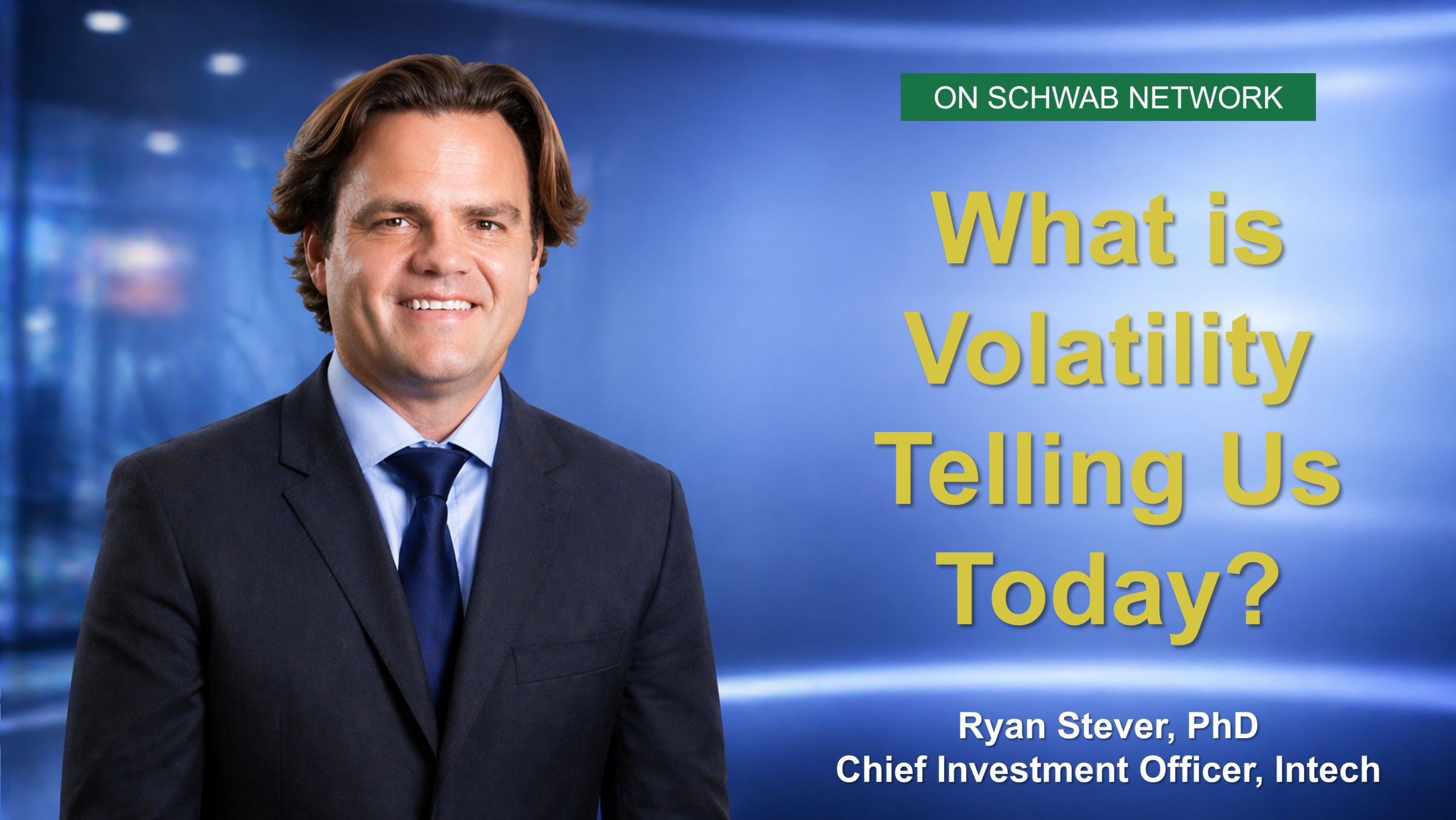
Stever noted that the most recent PCE print largely reflects economic conditions that have already worked their way through the system. As a result, the data may validate the Fed’s decision to remain patient in the near term, but it does little to resolve uncertainty about inflation persistence or future policy direction.
“Inflation data like PCE can tell us where we’ve been,” Stever explained, “but markets are focused on where conditions are heading.” In that sense, the report reinforces the rationale for a pause—but leaves the durability of disinflation unresolved.
This framing, Stever suggested, is particularly important in an environment where investors may be tempted to extrapolate too much from a single data point. A pause in rate changes should not be confused with a resolution of the inflation challenge.
A Fed Pause Is Not Policy Clarity
Stever underscored that while the Fed has room to wait and observe, uncertainty has not disappeared—it has simply shifted. The focus, he said, is increasingly on whether underlying economic supports remain intact.
A pause reduces urgency, but not ambiguity. Policy risk, in Stever’s view, now depends less on incremental inflation prints and more on how the labor market, consumer behavior, and financial conditions evolve together.
Labor and Consumer Spending Still Matter
One of the key themes of the discussion was the continued resilience of the U.S. consumer. Stever pointed to ongoing wage growth and a labor market that, so far, has avoided clear signs of stress. These dynamics have helped support spending even as monetary policy has tightened.
At the same time, Stever cautioned against complacency. Employment conditions and consumer behavior remain central variables for both policymakers and markets. Any meaningful shift in these areas could quickly alter expectations.
The takeaway, he noted, is not that current conditions are fragile—but that they deserve careful monitoring. Backward-looking inflation data alone cannot capture those forward-looking risks.
Concentration and What “Diversity” Really Means
Stever also addressed how investors should think about diversification in today’s equity markets, cautioning that the term “diversity” is often misunderstood when applied to passive benchmarks.
“We usually think of diversity as passive,” Stever noted, “but investors need to be careful about holding very concentrated benchmarks.”
Using the S&P 500 as an example, Stever pointed out that while the index holds hundreds of names, its effective number of stocks is far smaller due to the size of its largest constituents. By his measure, the index currently behaves more like a portfolio of roughly 50 names—reflecting the outsized influence of the largest companies.
When a small number of stocks account for a significant share of index exposure, portfolio outcomes can become more sensitive to changes in leadership. As one client framed it to Stever during the discussion, “Five names at that much percent of the S&P 500—what could possibly go wrong?” The comment underscores his broader point: diversification should be evaluated not just by the number of holdings, but by how risk is actually distributed across them.
Interpreting Signals with Discipline
Across the interview, Stever returned to a consistent theme: macro data should be interpreted with discipline and context. Inflation reports, labor statistics, and market moves each offer partial information—but none should be viewed in isolation.
For investors and fiduciaries, the challenge is not predicting the next policy decision, but understanding how today’s market environment is shaped by backward-looking data, forward-looking expectations, and evolving market structure.
Stever’s perspective reinforces a broader point: a Fed pause is a waypoint, not a destination. The data may justify patience, but it does not eliminate uncertainty or the need for disciplined interpretation of risk.