Smaller and mid-sized (SMID) companies exhibit higher dispersion and re-ranking. Explore how portfolio structure may behave differently in SMID equity.


Smaller and mid-sized (SMID) companies exhibit higher dispersion and re-ranking. Explore how portfolio structure may behave differently in SMID equity.
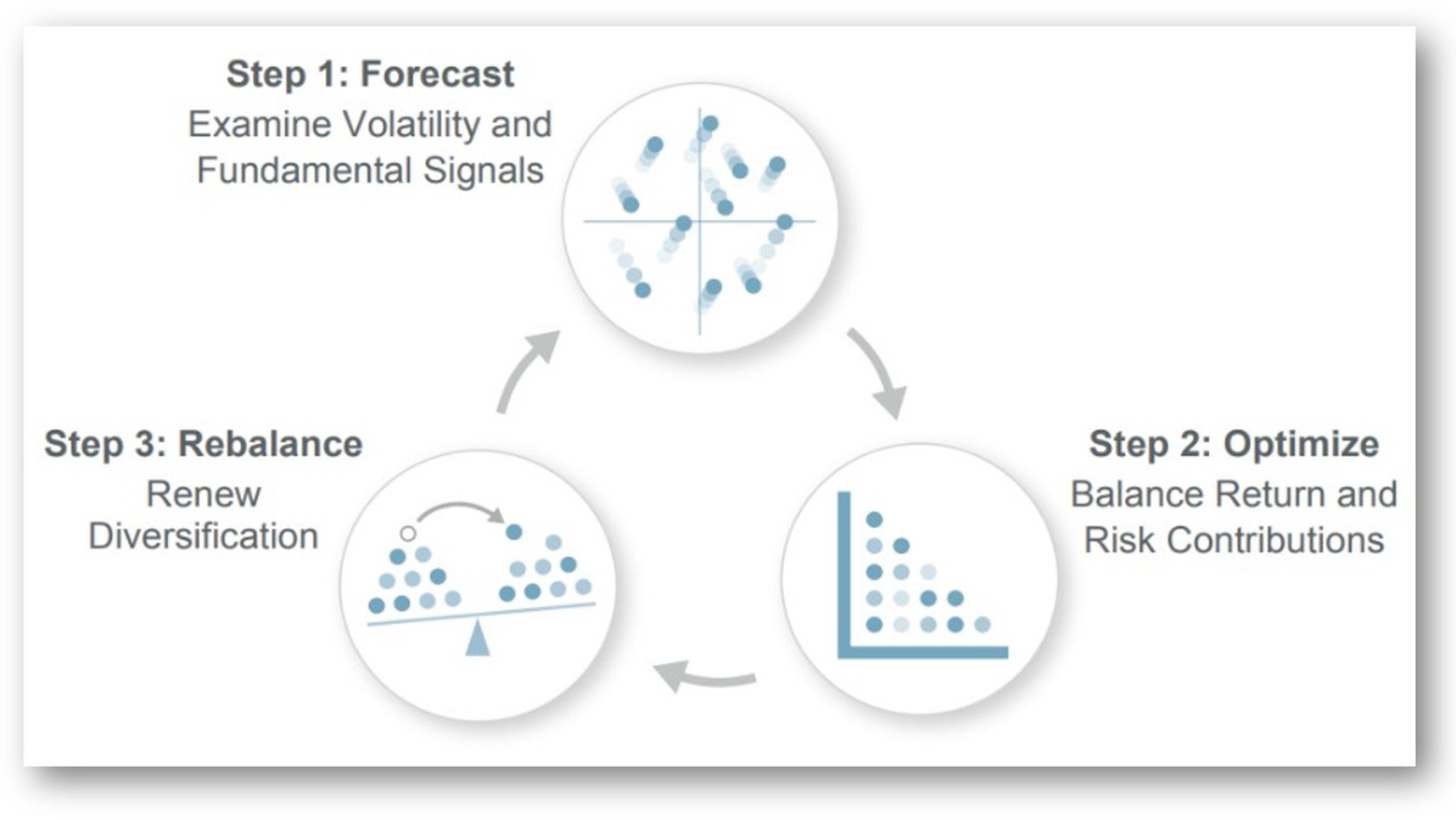
A transparent look inside Intech’s three-step, benchmark-aligned process integrating fundamentals, volatility, and disciplined rebalancing.

Volatility is often treated as risk to suppress. But portfolio structure shows it may also be a structural mechanism of long-term growth.

The core equity debate isn’t just passive vs. active. Explore a structure-first framework for benchmark-aligned portfolios.
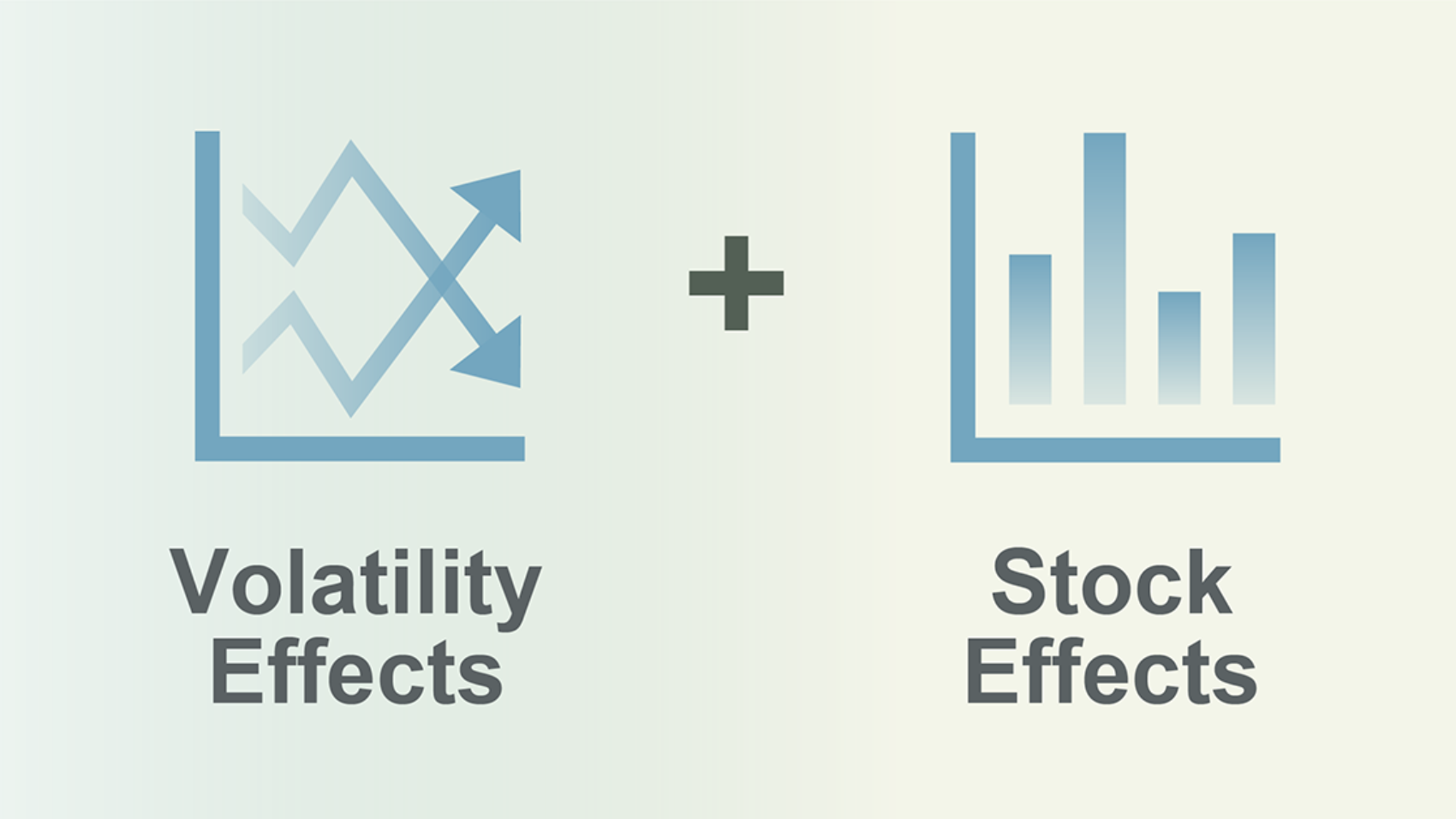
Stochastic Portfolio Theory shows portfolio growth comes from more than stock selection. Explore the two structural drivers of compounding.

Cap-weighted indexes potentially embed concentrated risk. Explore why fiduciaries must govern how core equity is structured, not just what they own.

Portfolio growth comes from two engines: stock effects and volatility effects. Learn how both shape core equity allocations for advisors.

Factors rotate, crowd, and drift. Learn why Peregrine chose an Intech strategy built on structure, diversification, and systematic rebalancing.

Stock and factor stories fade. Learn how Peregrine built portfolios on structure, diversification, and discipline instead of market narratives.
Richard Yasenchak, CFA, describes why volatility effects can contribute to equity returns and help improve diversification without abandoning benchmark alignment.